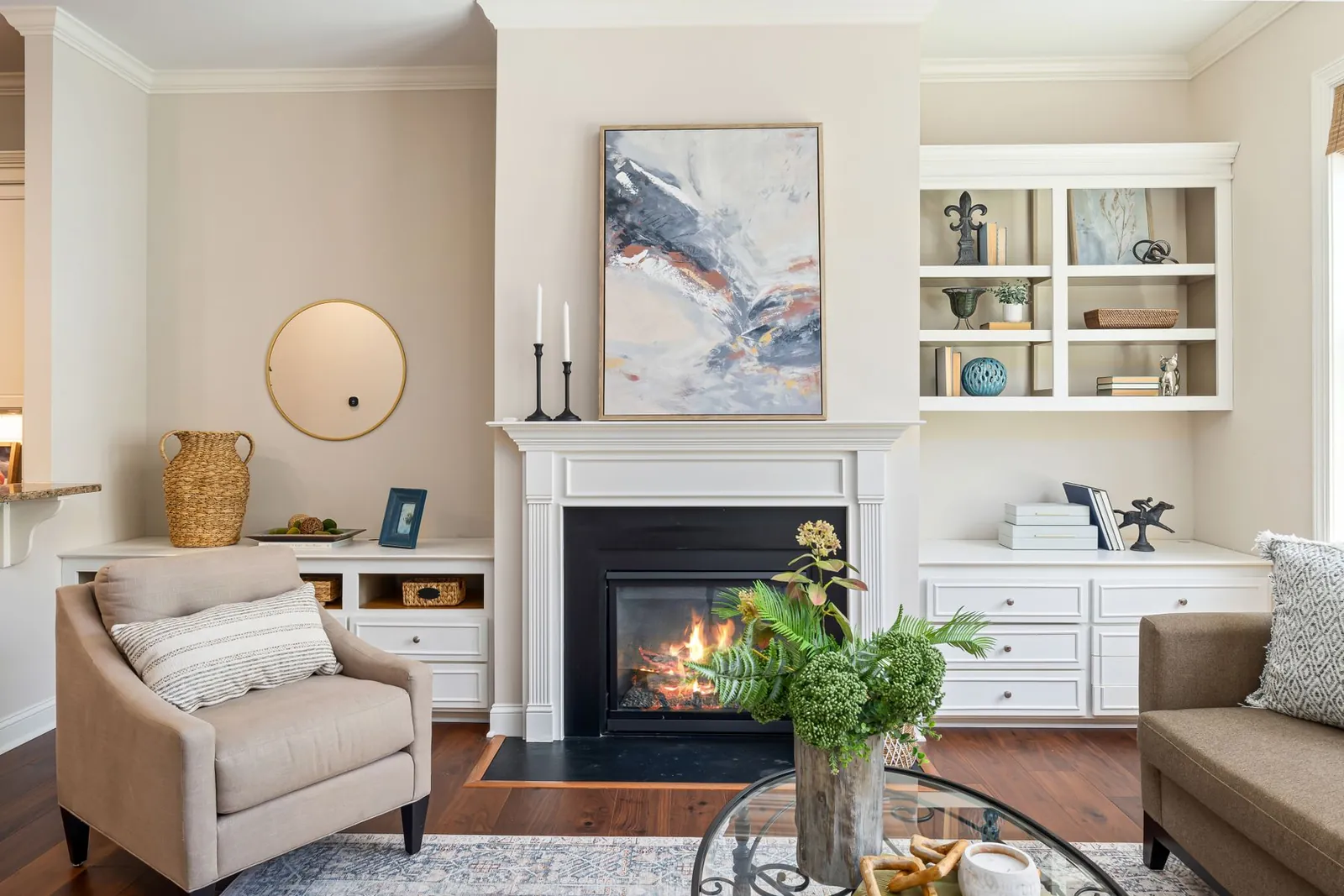
Converting a Wood Fireplace to Gas
A conversion with gas logs and a new gas line typically runs $1,500 to $4,500. A sealed gas insert with liners runs $4,000 to $8,000. Both start with the chimney.
Most New Jersey homes already burn gas for heat, so converting the fireplace is often a matter of running a short line from the existing gas service. What makes a conversion safe, though, is the chimney. A flue that has carried wood smoke for decades holds creosote, and it was sized for a wood fire, not the smaller, wetter exhaust a gas appliance makes.
The state's F-370 chimney verification form has a specific statement for conversions from liquid or solid fuel to gas. The verifier attests that the chimney is in good repair, substantially clean of residue from its previous use, and appropriately lined and sized for the new appliance. That is the standard we work to, whether your town asks for the form on this job or not.
Signs you need this
- You rarely light the wood fireplace anymore
- Hauling wood and ash is the reason why
- The chimney is due for repairs or relining anyway
- You want heat at the push of a button
- Gas service already runs to the house
How we do it
- Check the chimney and gasAt the free visit we inspect the chimney, look for creosote and damage, and find the route for a gas line from your meter or furnace line.
- Remove the old residueThe flue is brushed so wood residue does not stay behind a new gas appliance. That sweep is priced at the visit, before any work.
- Gas line and ventingA new gas line runs to the fireplace under the permit. Logs vent up the existing flue with a damper clamp. An insert gets its own liners.
- Install and hand overThe logs or insert go in, we test the controls, safety shutoff and draft, and walk you through lighting and shutdown.
What does a wood-to-gas conversion cost in New Jersey?
Gas logs with a new gas line typically run $1,500 to $4,500 installed. Going further with a sealed direct-vent insert and its own liners costs $4,000 to $8,000, so the job sits somewhere from $1,500 to $8,000 in all. Distance from the gas service, the chimney height and any repairs found at the inspection move the number most.
Natural gas or propane?
Across most of New Jersey, utility gas is the norm: the Census puts it at 73 percent of homes statewide and above 80 percent in counties like Monmouth, Union and Passaic. In the northwest it is different. Only about a fifth of Sussex County homes use utility gas, and propane is common there and in Hunterdon. Most logs and inserts come in natural gas and propane versions, so either works.
Do I need a CO alarm after converting?
Yes. A gas fireplace is a fuel-burning appliance, and New Jersey requires carbon monoxide alarms near the sleeping areas in any home with one. DCA Bulletin 99-3 uses a gas fireplace as its example. The alarms must be UL 2034 listed, and battery, plug-in or hard-wired types are all allowed.
If you sell later, the CO alarm will be checked as part of the smoke and CO certificate the town issues before closing.
FAQ
Wood-to-Gas Conversion questions
Will my particular fireplace take gas?
Most masonry fireplaces can, if the chimney is sound. Factory-built wood fireplaces can only take gas logs or inserts their manufacturer allows, which we check by the model plate.
Does my chimney need a new liner for gas?
For a sealed insert, yes: it vents through new liners. For vented logs, the existing flue can often be used if it is sound and the damper is clamped open.
Do I need a permit to convert to gas in New Jersey?
Gas piping and a new gas appliance generally go through your town's construction office. We handle the permit when your town requires it.
Will a converted fireplace heat my house?
Gas logs mostly add flame. A direct-vent insert is a real heater for the room it is in, and many run on a thermostat.
Should the chimney be swept before converting?
Yes. Wood residue should not stay in the flue behind a gas appliance. We check it at the free visit and price the sweep there.
Related
Stoves, inserts and gas
Book online
Pick a day. We'll bring a ladder.
Free inspection in a 3-hour window: 8 to 11, 11 to 2, or 2 to 5. We call to confirm before we arrive.