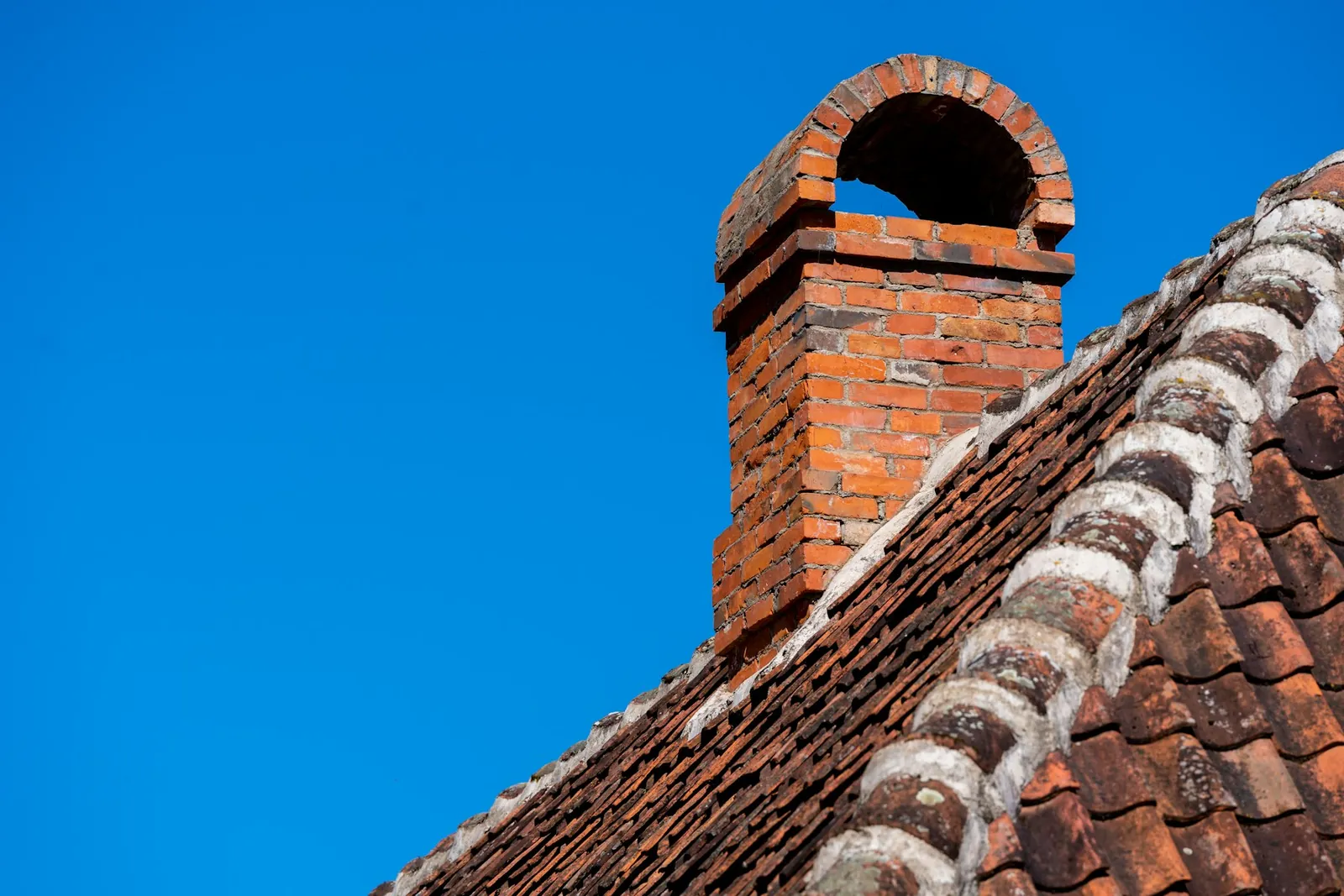
Animal and Nest Removal From New Jersey Chimneys
Removing an animal or nest from a chimney typically costs $300 to $750 in New Jersey. A proper cap, typically $250 to $850, keeps the next one out.
An uncapped chimney is a dry, sheltered hollow, and New Jersey wildlife finds it quickly. Raccoons climb in to have young in the smoke chamber, squirrels fall in and cannot climb out, and birds build nests on the damper or right at the top of the flue. The first sign is usually scratching, chirping or a smell, often in spring.
The bigger risk is less obvious. In a gas state like New Jersey, many chimneys carry a furnace or water heater flue as well as the fireplace. A nest in an appliance flue can block exhaust, including carbon monoxide, and push it back into the house. That makes an animal in the chimney a safety problem as well as a nuisance.
Signs you need this
- Scratching or chirping inside the chimney
- Twigs, leaves or droppings in the firebox
- A musky or rotten smell near the fireplace
- Furnace or water heater exhaust smell in the basement
- No cap on top of the flue
How we do it
- Find out what is thereA free look from the top and bottom to see which animal, which flue and whether young are present.
- Remove humanelyAnimals are coaxed or carried out; raccoon kits are removed with care so the mother can relocate them.
- Clear and cleanNest material and droppings come out, and we check the flue for damage or blockage.
- Cap the flueA stainless cap sized to the flue keeps animals out without restricting the draft.
Why is a nest in the furnace flue more serious than one in the fireplace?
Because the furnace or water heater runs on its own, often while you sleep. If the flue is blocked, exhaust can spill out at the draft hood instead of rising, and that exhaust includes carbon monoxide. You may not notice until an alarm sounds.
New Jersey requires carbon monoxide alarms near sleeping areas in homes with a fuel-burning appliance, and having working alarms matters here. If yours is sounding and you suspect a blocked flue, leave the house, call your gas utility or 911, and then call us to clear the flue.
Can you remove an animal without hurting it?
In most cases, yes. Birds and squirrels can usually be coaxed out or lifted out. Raccoon mothers with young are the most common spring call, and the usual method is to remove the kits carefully so the mother moves them elsewhere.
We do not use poison or traps that leave an animal to die in the flue. If an animal has already died inside, we remove it and clean the area, and we deal with the smell as best we can.
What kind of cap keeps animals out?
A stainless steel cap with mesh on all sides, sized to the flue tile, fastened so it cannot be pried off. Multi-flue chimneys can take one cap per flue or a single cover over the whole crown.
Near the Shore, salt air rusts plain galvanized caps quickly, so stainless is worth it there. A single-flue cap typically runs $250 to $500 installed, and a multi-flue or custom cap $425 to $850.
FAQ
Animal Removal questions
How much does chimney animal removal cost?
Typically $300 to $750, depending on the animal, which flue it is in and whether young are present. The inspection to find out is free.
Should I light a fire to smoke the animal out?
No. Smoke can trap and kill an animal in the flue, set a dry nest on fire or fill your room with smoke. Keep the damper closed and call us.
Can birds nest in a gas furnace flue?
Yes. Any open flue is a nesting spot. That is why we check appliance flues as well as the fireplace when we come out.
How do I stop it happening again?
Cap every open flue. A stainless cap with mesh sides is the most reliable fix, and it also keeps rain and leaves out.
When are animals most likely to move in?
Spring is the busiest time, when raccoons and birds look for places to raise young. A cap installed in fall or winter prevents the problem before it starts.
Related
Cleaning, inspections and smoke
Book online
Pick a day. We'll bring a ladder.
Free inspection in a 3-hour window: 8 to 11, 11 to 2, or 2 to 5. We call to confirm before we arrive.